
Different learning styles to maximise your child’s education

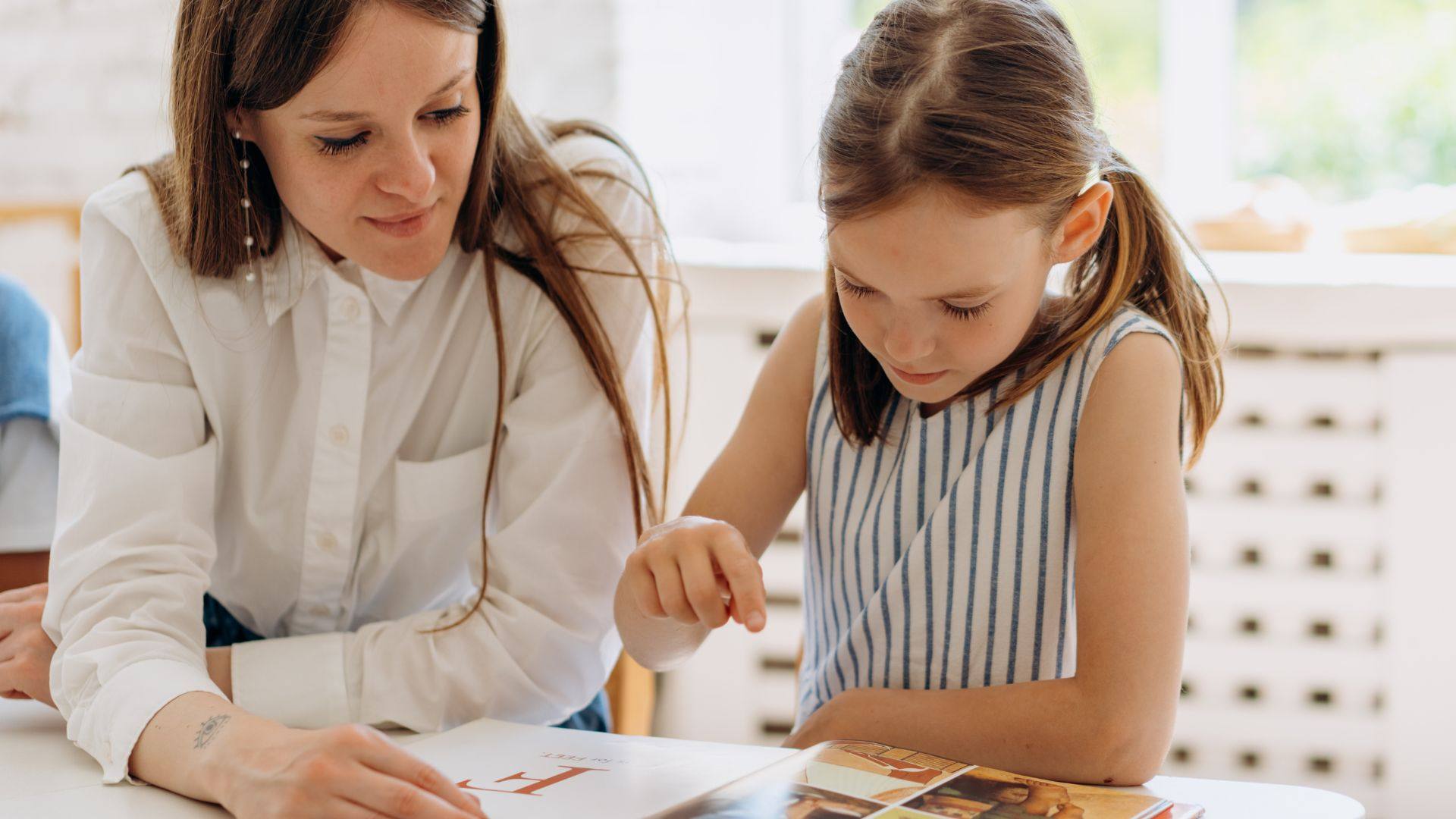
Every child is a unique learner, with their own preferences and strengths that influence how they take in and remember information. Education is not one-size-fits-all. Alchemy Tuition understands the importance of these differences in providing learning experiences that are meaningful to each child. Here are the different learning styles - and how to use them to maximise your child’s education.
A word of caution first. Many children do have preferences, but research has not found that teaching a child only in their “preferred” style helps them learn more. What helps is variety: presenting ideas in more than one way, and choosing the approach that suits the material. So treat the three styles below as a toolkit to draw from, rather than a label for your child.
1. Visual learning
Visual learning means processing information through images, charts and spatial representations. Visual aids and demonstrations can bring concepts to life - and they help most children, not just those who prefer them. To bring in visual learning, try activities like:
- creating colourful mind maps or diagrams to organise information
- watching educational videos or documentaries about the topic at hand
- using image-based flashcards to reinforce key concepts
- drawing or sketching to represent ideas and concepts.
Using visuals can improve your child’s understanding and memory, making learning more engaging and effective.
2. Auditory learning
Auditory learning means taking in information by hearing it, through verbal explanations, discussion and spoken cues. Children often learn a great deal when they can listen actively and join in meaningful conversations. To bring in auditory learning, try activities like:
- reading aloud and discussing the material
- listening to audiobooks or podcasts about relevant topics
- using mnemonics or songs to help remember information
- talking ideas through and debating them to understand them more deeply.
By giving your child opportunities for active listening and conversation, you help them build a deeper connection to the material.
3. Kinesthetic learning
Kinesthetic learning means learning through hands-on experiences and physical activity. Many children grasp concepts more easily when they can touch, move and manipulate objects. To bring in kinesthetic learning, try activities such as:
- conducting science experiments or hands-on demonstrations
- using role-play or dramatic play to explore real-life scenarios
- using manipulatives like blocks or puzzles to show abstract ideas
- including movement breaks and physical activities in study sessions.
Hands-on exploration and movement keep learning active and help it stick.
Mixing the styles
Understanding how your child likes to learn can help you keep them engaged and build a lifelong love of learning. The most effective approach, though, is to mix these styles - pairing a diagram with a discussion, or an experiment with a written summary - rather than sticking to one. Alchemy Tuition can help, with personalised tutoring sessions and engaging activities that draw on a variety of approaches to help children succeed academically and beyond. Let’s work together for your child’s bright future.
For more on hands-on approaches, see kinesthetic learning techniques. To turn these activities into study habits, the secret to studying smarter and not harder covers the techniques with the strongest evidence behind them.
Common questions
Should I teach my child according to their learning style?
Not exclusively. Children often have preferences, but research has not found that teaching only in a child’s preferred style - visual, auditory or kinesthetic - improves how much they learn. Combining several approaches, matched to what is being learned, works better.
What are some visual learning activities?
Colourful mind maps and diagrams, educational videos, image-based flashcards, and drawing or sketching ideas to show how they connect.
How can I make learning more hands-on at home?
Try simple science experiments, role-play to act out real situations, manipulatives like blocks or puzzles for abstract ideas, and movement breaks between study sessions.