
Helping your child overcome school anxiety

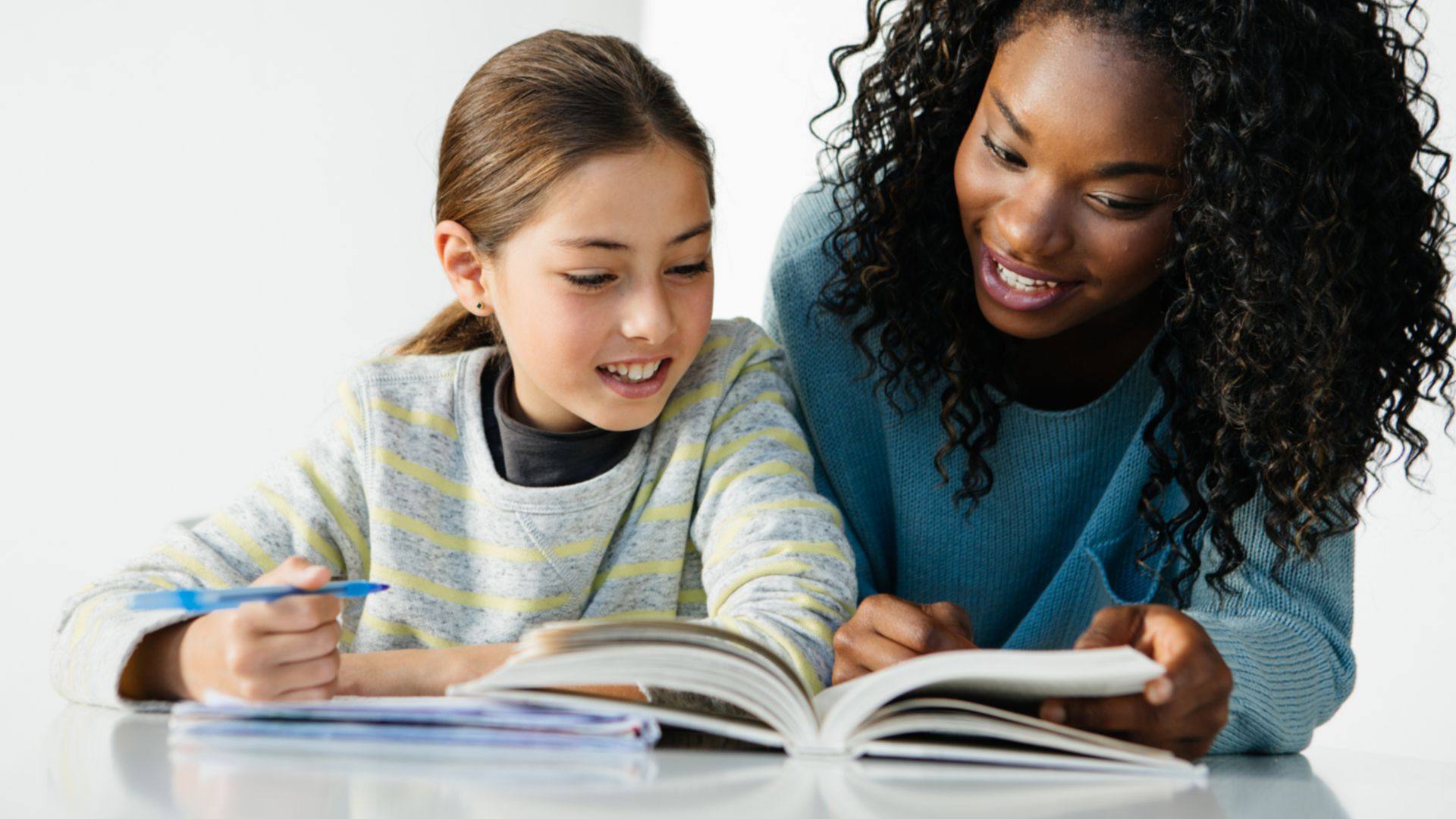
Have you noticed your child suddenly dreading school? Maybe they complain of stomach aches in the morning, refuse to get out of bed or burst into tears at the thought of going to class. Some children don’t say anything, but they seem tense, easily irritated or unusually quiet. This isn’t just a case of not liking school - it could be school anxiety, and it’s more common than you might think. Many children struggle with worry and stress about school, whether it’s marks, friendships, teachers or the pressure to perform. As a parent, it can be heartbreaking to watch your child struggle. You want to help, but how do you do that without making things worse? The good news is that, with the right support, your child can regain their confidence and learn to handle school stress in a healthy way. Here’s how.
1. Understand what’s causing the anxiety
Before jumping to solutions, it’s important to work out why your child feels anxious. Often there is a specific trigger. Some children worry about failing tests or not keeping up with their classmates. They might put too much pressure on themselves, fearing that one bad mark will disappoint you or their teachers. Others feel anxious about social situations. Maybe they’re nervous about making friends, speaking in front of the class or dealing with classmates who make them feel uncomfortable. Some children feel anxious because of bullying or past negative experiences at school. Even something as simple as a new teacher or a new school can leave a child feeling overwhelmed.
You won’t know what’s really bothering your child unless you give them space to tell you. Instead of broad questions like, “Why don’t you like school?” try more specific ones such as, “What part of the school day feels the hardest for you?” or “Is there something happening in class that makes you nervous?” The goal is to let them talk without feeling judged or rushed.
2. Teach them healthy ways to handle worries
When children feel anxious, they don’t always know how to calm themselves down. Some cry or shut down, while others act out or get frustrated over small things. Teaching them simple ways to manage stress can make a big difference.
One helpful strategy is deep breathing. It sounds basic, but it works. When a child feels overwhelmed, their breathing becomes shallow, which makes their body feel even more tense. Encourage them to take slow, deep breaths, counting to four as they breathe in and four as they breathe out. This helps their body relax.
Another useful technique is positive self-talk. Many children with school anxiety have negative thoughts running through their minds, like “I’m going to fail this test” or “Everyone will think I’m stupid.” These thoughts make their anxiety worse. Teach them to replace these worries with kinder, more encouraging words, such as “I don’t have to be perfect, I just have to try” or “I’ve done hard things before, and I can do this too.”
Breaking big tasks into smaller steps can also help. If your child feels overwhelmed by an assignment, don’t just tell them to “get it done.” Help them make a plan. For a big project, they might gather materials one day, write a rough draft the next and edit it later. Small steps make the task feel more manageable.
3. Create a routine that feels safe and predictable
Anxiety often comes from fear of the unknown, so the more predictable the day feels, the calmer your child is likely to be. A steady routine before and after school can help ease their nerves. Start with mornings. Rushing out the door feeling unprepared can make anxiety worse. Make mornings calmer by setting out clothes, packing bags and preparing lunches the night before. A relaxed breakfast and a few minutes of downtime before leaving can set a positive tone for the day.
After school, give your child time to unwind before homework. Some children need quiet time, while others feel better talking about their day. Notice what helps your child relax. Homework should have a set time, with breaks so it doesn’t feel overwhelming.
Sleep also plays a big part in managing anxiety, as tired children usually find stress harder to cope with. Keep a consistent bedtime routine with relaxing activities like reading or listening to calm music to help them wind down.
4. Support their emotional growth as well as their schoolwork
Many parents worry about their children’s marks, but it’s just as important to help them build emotional resilience. Children who believe they have to be perfect often struggle with anxiety because making mistakes feels unacceptable. Shift the focus from perfection to progress. Instead of saying, “You need to get an A,” try, “I’m proud of how much effort you put into studying.” The way you talk about success and failure shapes how your child sees it.
Encourage them to see challenges as learning experiences. If they struggle with a subject, remind them that learning takes time and effort. Share stories of people who faced setbacks but kept going - many scientists, athletes and artists failed many times before they succeeded. Help them see that mistakes aren’t the end of the world; they’re part of the journey.
At the same time, help them find activities outside school that build their confidence. Some children find comfort in creative hobbies like painting or playing an instrument, while others feel good being active in sport or outdoor adventures. Something they enjoy and feel good at can help balance out the stress of school.
5. Work with the school and build a support system
You’re not in this alone. Teachers and school counsellors can be valuable allies in helping your child manage their anxiety. If your child’s worries are making it hard to focus in class, talk to their teacher. Many teachers are happy to make small adjustments, like allowing extra time on assignments, offering reassurance before tests or giving them a safe place to take a short break if they feel overwhelmed.
It can also help to connect with other parents going through the same thing. Sometimes just knowing your child isn’t the only one struggling makes things feel more manageable. If school anxiety is severe or starts affecting daily life, talk to your GP, who can refer you to a psychologist experienced with children’s anxiety.
They don’t have to face it alone
Watching your child struggle with school anxiety is tough, but the most important thing to remember is that they don’t have to go through it alone - they have you on their side. With patience, understanding and the right strategies, they can learn to manage their worries and gain confidence in themselves.
At Alchemy Tuition, we know a child’s learning journey is about more than marks. Our tutors create a safe, supportive space where children can learn at their own pace, build confidence and work through challenges without pressure.
For more on supporting an anxious child, see a parent’s guide to helping children with anxiety and how to deal with a child who hates school. The impact of sleep on children’s learning and behaviour explains why bedtime routines matter.
Common questions
What are the signs of school anxiety in children?
Common signs include dreading school, stomach aches or tears in the morning, refusing to get out of bed, and seeming tense, irritable or unusually quiet. Some children say nothing at all, so watch for changes in mood and behaviour.
How do I find out what is making my child anxious about school?
Ask specific, gentle questions rather than “Why don’t you like school?” - for example, “What part of the school day feels hardest?” or “Is something happening in class that makes you nervous?” Then listen without judging or rushing them.
When should I get professional help for school anxiety?
If the anxiety is severe, lasts for weeks or starts affecting daily life - such as regularly missing school - talk to your GP and the school counsellor. A GP can refer you to a psychologist who works with children.