
Managing screen time and academic performance of your child

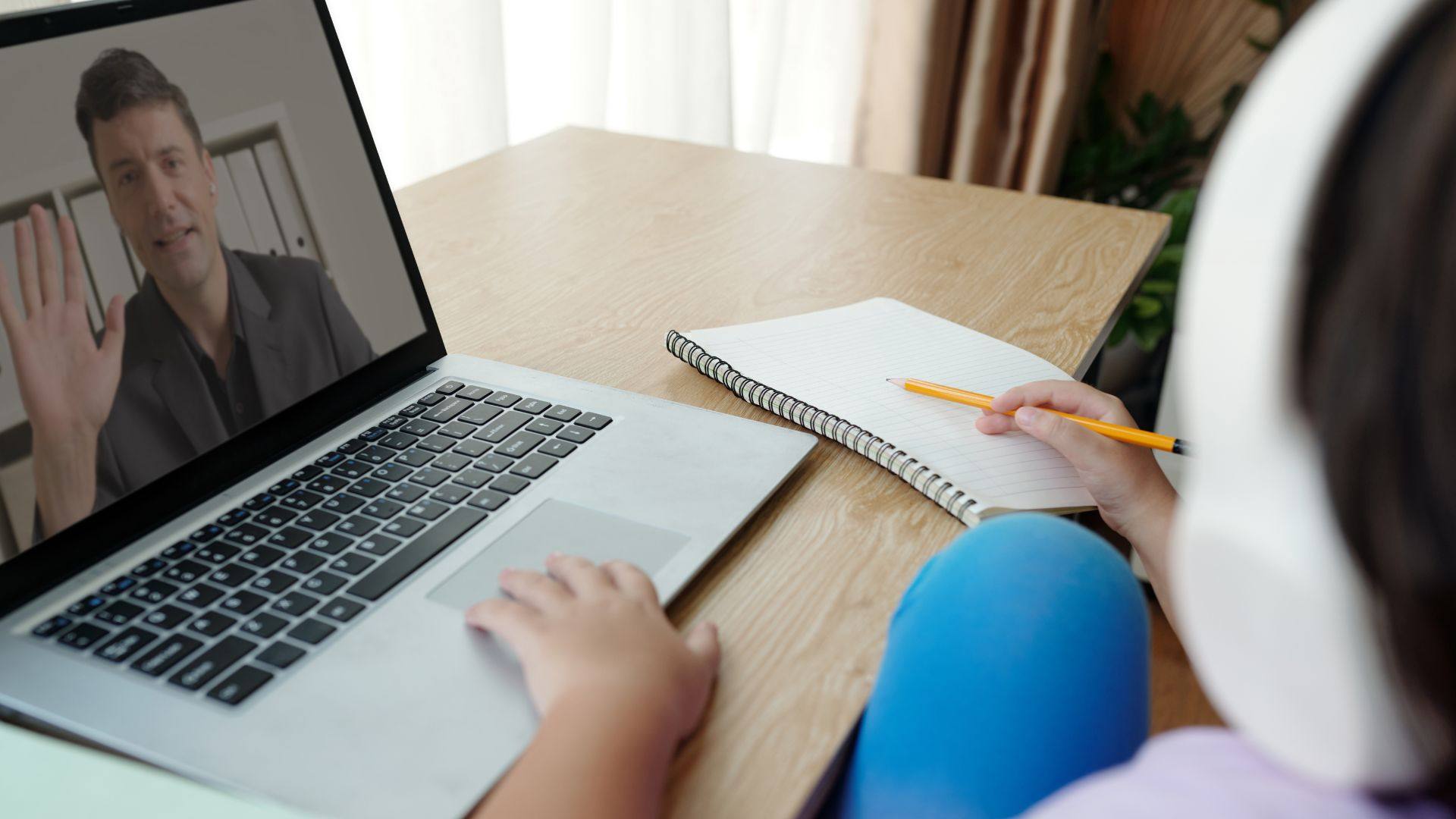
Screens are an inseparable part of our lives in the digital age. Children in particular spend a significant amount of time on screens, whether for educational or recreational purposes. While technology can provide valuable educational resources, excessive and unsupervised screen time has been linked to a drop in academic performance. Understanding the impact of screen time on your child’s academic success is critical for parents. In this guide, we offer practical tips that parents can use to manage their child’s screen time and academic performance.
1. Set realistic limits
Setting realistic limits is one of the most effective ways to manage screen time. Children may struggle to manage themselves, so it is up to parents to set limits. Make clear rules about screen time for both academic and recreational purposes. Make a daily schedule that includes time for homework, chores, outdoor activities and screen time. Communicate your expectations to your child, developing structure and responsibility.
2. Encourage breaks and physical activity
Long periods of screen time can have a negative impact on a child’s focus and attention span. Allow for frequent breaks during study sessions to reduce eye strain and mental fatigue. Physical activity is also important; it not only helps to maintain overall health but also improves concentration. To provide a healthy balance of screen time and physical movement, suggest outdoor activities such as playing in the park or riding a bike.
3. Create a distraction-free study environment
Your child’s academic performance can be greatly influenced by the environment in which they study. Designate a quiet, clutter-free study space to reduce distractions. Make sure this area is well lit and has all of the necessary study materials. You can help your child focus better on academic tasks by creating a stimulating atmosphere free of the constant allure of screens.
4. Engage in collaborative learning
Encourage collaborative learning with parents and peers. This not only provides a support system, but it also promotes accountability. Make time for group study sessions where children can collaborate on assignments or projects. Interacting with peers and family members can reduce the solitary nature of screen time and improve the learning experience.
5. Promote healthy sleep habits
Screen time and sleep have a well-established relationship. Excessive screen time, especially before bedtime, can disrupt sleep patterns and result in insufficient rest. Establish a consistent bedtime routine that includes a screen-free wind-down period. Encourage your child to read a book or do a calming activity before going to bed. You can help improve focus, memory retention and overall academic performance by encouraging healthy sleep habits.
Finding the balance
Managing screen time is a delicate but necessary part of fostering academic success in children. Striking a balance between the benefits of technology and its potential drawbacks takes careful consideration and consistent effort. Parents can play an important role in their child’s academic journey by setting realistic limits, encouraging breaks and physical activity, creating a distraction-free study environment, promoting collaborative learning and prioritising healthy sleep habits. It is not about completely eliminating screen time, but rather about finding a happy medium that allows for both learning and leisure. Your guidance and involvement as a parent can have a significant impact on your child’s academic achievements in the digital age.
When screens are used for learning, the 10 best learning apps for kids points to the good ones. For setting up a study space away from distractions, see how to create the perfect study space, and what is the best time to study? helps plan when the work gets done.
Common questions
Does screen time affect academic performance?
It can. Technology offers valuable educational resources, but excessive and unsupervised screen time has been linked to a drop in academic performance, and long periods on screens can affect focus and attention span.
How can I set screen time limits for my child?
Make clear rules for both educational and recreational screen use, and build a daily schedule that includes time for homework, chores, outdoor activities and screens. Explain your expectations so your child understands the structure.
Should children use screens before bed?
It is best to avoid them. Screens before bedtime can disrupt sleep patterns, so a consistent bedtime routine with a screen-free wind-down period, such as reading a book, helps improve rest, focus and memory.