
Why self-awareness is a game-changer for children growing up

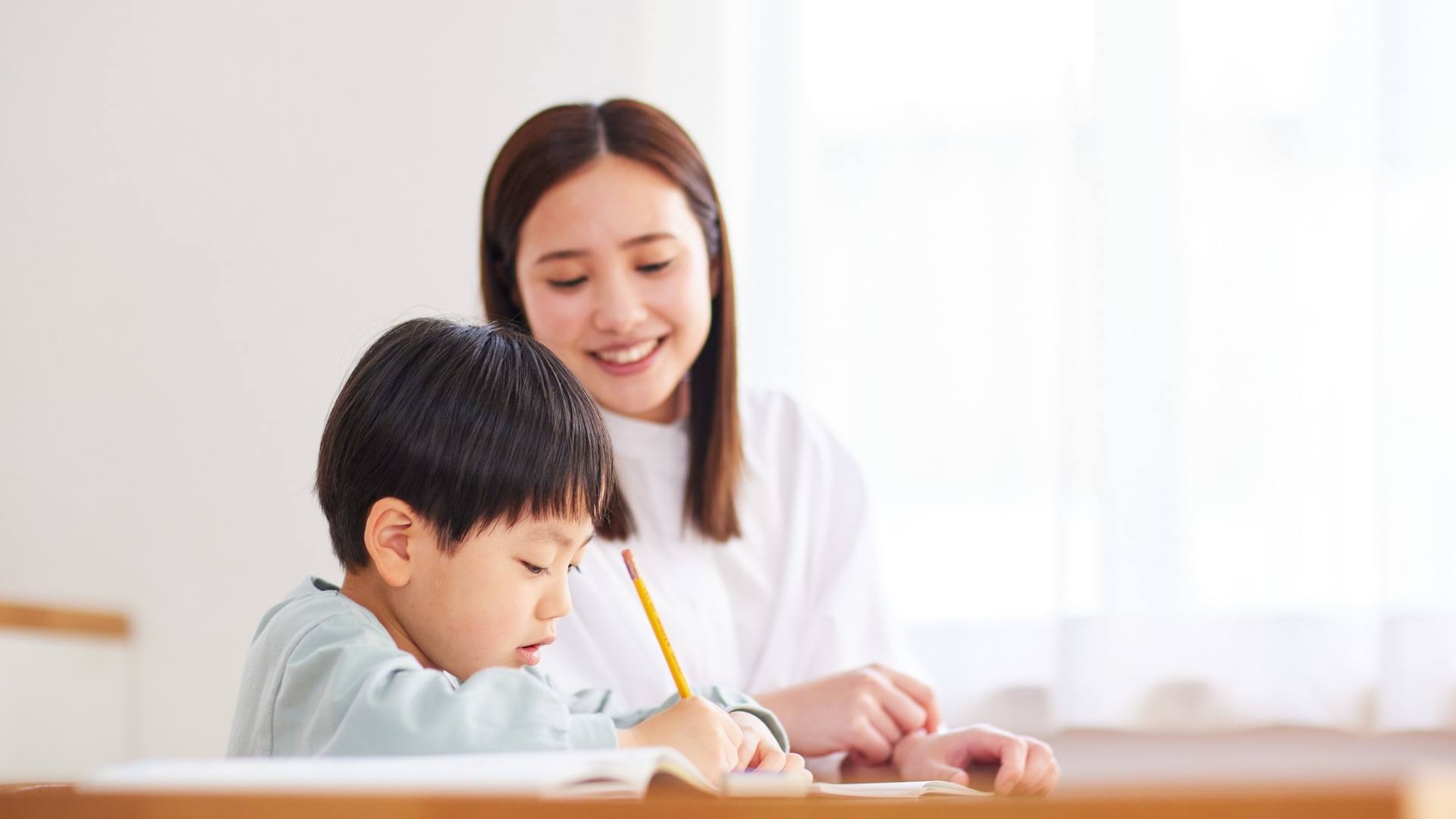
Have you ever asked your child how they’re feeling and got a shrug and an “I don’t know”? Have you seen them struggle to understand why they are annoyed, unhappy or even happy? This is why self-awareness is a game-changer for children growing up. Self-awareness is more than a “nice-to-have”; it is an essential life skill. It helps children understand their emotions, their strengths and how they fit into the world around them. But, like any skill, it doesn’t grow on its own; it needs nurturing. Let’s look at why self-awareness is so important for children as they grow up, and how it can help them build confidence, resilience and success.
1. It helps children manage their emotions
Children experience a wide range of emotions every day, from joy and excitement to anger and sadness. Self-awareness helps them identify what they are feeling and why. For example, suppose your child comes home from school in a bad mood. A self-aware child might say, “I’m upset because my friend didn’t want to play with me today.” Recognising the source of their feelings is the first step towards coping with them in a healthy way. Without self-awareness, emotions can become overwhelming. Teaching children to name their emotions - saying “I am angry” rather than acting out - can make a big difference to how they cope.
2. It builds confidence
Self-awareness helps children recognise their strengths and weaknesses. When children understand their strengths, they feel more confident tackling problems. For example, a child who knows they’re great at painting but finds reading hard might say, “I’ll ask for help with this book, because I know I’m good at other things, like drawing.” This balanced view helps children see problems as chances to grow rather than as failures. Confidence built on self-awareness is about more than feeling good; it’s about resilience. When children understand themselves, they bounce back from setbacks more easily, because they know one difficult experience doesn’t define them.
3. It improves relationships
Children who understand their own emotions are better able to understand others. Self-awareness helps them see how their actions affect the people around them, making them more empathetic and caring friends. For example, if a child realises they have upset a sibling during a game, they might say, “I’m sorry - I didn’t mean to hurt your feelings.” This ability to reflect and apologise strengthens relationships and reduces conflict. At a time when social skills matter more than ever, self-awareness gives children an advantage in building meaningful connections.
4. It encourages better decision-making
Self-aware children are more likely to make sound decisions because they understand their own wants and values. Instead of acting on impulse, they stop and think things through. For example, a self-aware child might choose not to join in teasing a classmate because they know they would feel awful afterwards. Or they might decide to spend their pocket money on a toy they’ve been saving for, rather than something they would quickly lose interest in. Self-awareness teaches children to pause and think, helping them develop good judgement they will benefit from for life.
5. It prepares them for a successful life
Self-awareness isn’t only helpful in childhood; it is a skill children carry into adulthood. Understanding yourself is key to reaching goals and staying grounded, whether at school, at work or in relationships. For example, a self-aware teenager might recognise that procrastination is holding them back and make a study plan. A self-aware adult might choose a career that fits their values and interests. Teaching your child self-awareness now prepares them for a lifetime of success, personally and professionally.
Nurturing self-awareness
Self-awareness is more than knowing how you feel; it’s about understanding yourself on a deeper level. It helps children manage their emotions, build confidence, strengthen relationships and make better decisions. As a parent, you play an important role in nurturing it. Start small: ask your child how they are feeling, encourage them to think about their actions and celebrate their efforts.
Start the journey of self-awareness with your child today. With a little guidance, you can help them reach their full potential and grow into confident, capable people.
For a closely related skill, see why developing your child’s emotional intelligence is a must. Helping your child build confidence and activities to improve children’s social skills have practical ideas to try at home.
Common questions
What does self-awareness look like in a child?
A self-aware child can name what they are feeling and why - for example, “I’m upset because my friend didn’t want to play with me today” - and knows their own strengths and the things they find hard.
How can I help my child become more self-aware?
Start small. Ask how they are feeling, help them put a name to the emotion instead of acting it out, encourage them to think about how their actions affect others, and celebrate their efforts.
Does self-awareness help children make better decisions?
Yes. When children understand their own feelings and values, they are more likely to pause and think before acting - like choosing not to join in teasing because they know they would feel bad afterwards.