
Parenting styles you should try

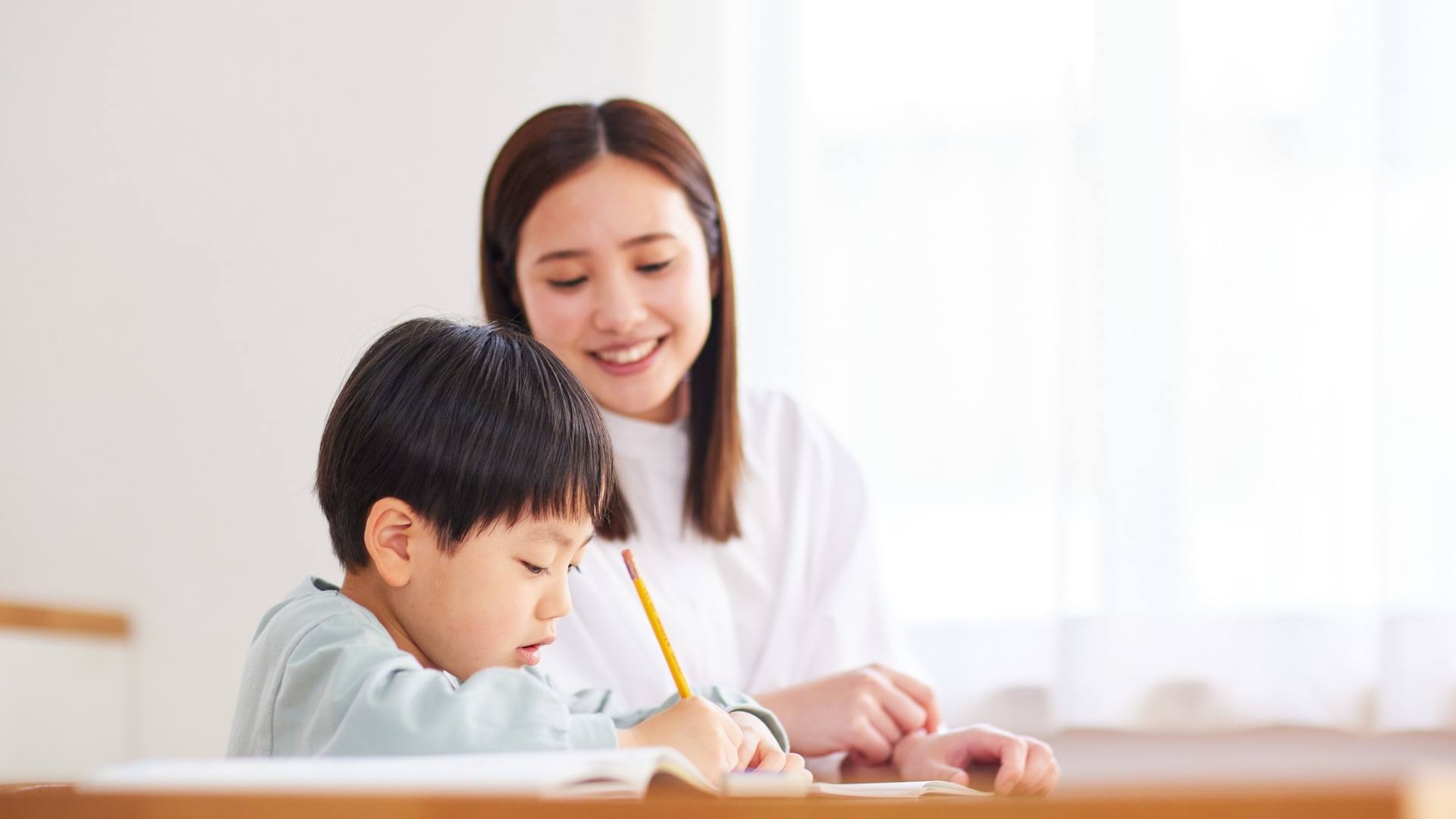
When it comes to raising our kids, parents often get mixed messages. What counts most is finding a strategy that suits your child’s needs and personality while still being effective. Every child is different and presents different challenges, so each child needs an approach that brings out the best in them. In Australia, where education is a high priority, parents look for guidance on how to support their children’s academic and personal growth. With so many parenting approaches to choose from, it’s easy to feel overwhelmed and unsure of your next move. Fear not - here are research-based parenting styles you should try, depending on your child’s own uniqueness and needs.
1. Authoritative parenting
Research consistently shows that authoritative parenting is one of the most effective ways to support a child’s development. In contrast to authoritarian parents, who enforce strict rules with little room for discussion, or permissive parents, who give too much freedom, authoritative parents strike a balance. They set clear expectations and encourage open communication and mutual respect.
To adopt authoritative parenting, first set clear rules and standards for your child. Encourage open communication and active listening so that your child can share their views and feelings without fear of being criticised. Give consistent support and direction while still allowing for independence and self-reliance within reasonable limits.
2. Positive parenting
A growth mindset is crucial for both academic performance and personal development. Positive parenting, based on encouragement, empathy and constructive feedback, fits well with this idea. Positive parents value hard work and dedication over natural talent.
To practise positive parenting, create a helpful and encouraging home environment. Celebrate your child’s efforts and accomplishments, whatever the outcome. Encourage them to view problems as opportunities for growth and learning, highlighting the importance of resilience and perseverance. Give constructive feedback and praise to promote positive behaviours and attitudes. Fostering a growth mindset can help your child handle problems with confidence and commitment.
3. Attachment parenting
The strength of a child’s connection to their parents has a significant impact on their development from birth. Attachment parenting, which is characterised by responsiveness, emotional availability and physical closeness, prioritises building a secure relationship between parent and child.
With attachment parenting, prioritise responsive and attentive care, meeting your child’s needs quickly and consistently. Cuddling, babywearing and skin-to-skin contact can all build feelings of security and connection. Pay attention to your child’s cues and signals, and respond to their emotional needs, offering comfort and reassurance as needed. The idea is to create a compassionate and supportive atmosphere in which your child feels free to explore and express themselves. By developing a strong attachment bond, you lay the foundation for healthy relationships and good mental health.
Finding the right fit
Parenting can be difficult, but with evidence-based strategies and practical advice, you can be confident in your journey. Whether your child thrives in a structured environment, needs encouragement and support, or craves comfort and connection, there is a parenting style that will meet their needs. Alchemy Tuition believes in giving parents the knowledge and tools they need to help their children reach their potential. By practising a parenting style suited to your child’s personality and preferences, and using practical strategies, you can create a loving and supportive environment. There is no one-size-fits-all approach to parenting, but with patience and understanding, you can be the best parent for your child.
For two more approaches, see how to do lighthouse parenting for your child and our quick guide on how to do slow parenting. Whichever style you choose, building a strong parent-child relationship sits underneath it.
Common questions
What is the difference between authoritative and authoritarian parenting?
Authoritarian parents enforce strict rules with little room for discussion. Authoritative parents also set clear rules and expectations, but pair them with warmth, open communication and mutual respect - the balance research most consistently links to positive outcomes for children.
What is positive parenting?
Positive parenting is built on encouragement, empathy and constructive feedback. It values effort and persistence over natural talent, celebrates progress, and helps children see problems as chances to learn.
What is attachment parenting?
Attachment parenting prioritises a secure bond between parent and child through responsiveness, emotional availability and physical closeness - responding to a child’s needs quickly and consistently so they feel safe to explore.