
Quick guide on how to do slow parenting

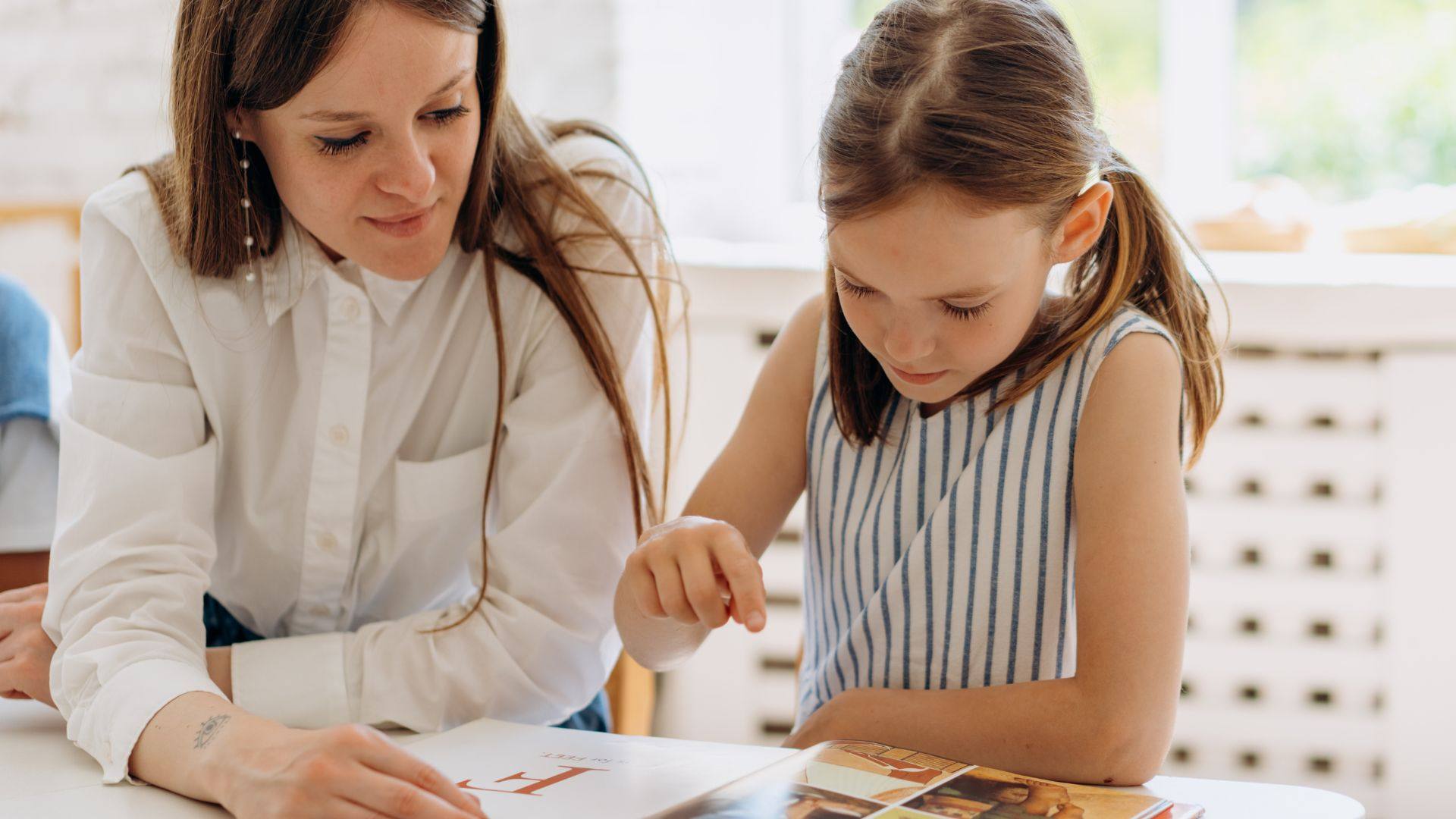
Parenting can feel like a race against time. With never-ending to-do lists, extracurricular activities and academic expectations, many parents find themselves caught in a whirlwind, with little time left for meaningful connection with their kids. This hectic pace can cause stress, fatigue and strained relationships within the family. But what if there was another way? Enter slow parenting: a conscious, purposeful approach to raising children that values quality time, simplicity and meaningful experiences over the endless pursuit of productivity and perfection.
Slow parenting doesn’t mean laziness or neglect. It is a deliberate decision to enjoy the moments and embrace the journey of parenthood with patience and presence. It’s about getting off the hamster wheel of constant activity and creating space. Let’s take a look at our quick guide on how to do slow parenting.
1. Being present
In today’s digital world, it’s easy to get distracted and disconnected from the moment. Slow parenting asks parents to put down their phones, switch off their devices and really engage with their children. Whether it’s playing together, having heartfelt conversations or simply enjoying a meal as a family, being fully present builds stronger relationships and memories to treasure. But presence doesn’t mean perfection. It’s okay to have messy moments. The idea is to keep returning to the present moment with purpose and grace.
2. Play and unstructured time
In our over-scheduled society, children’s calendars are often full from sunrise to sunset. Slow parenting values unstructured, imaginative play that doesn’t follow a timetable or agenda. Unstructured time lets kids express their creativity, curiosity and sense of wonder through activities like building forts, exploring nature and reading. Resist the urge to overschedule your children out of fear of boredom or falling behind. Instead, embrace simplicity and let your children take the lead in exploring their hobbies and interests.
3. Connection through communication
Communication is fundamental to any good relationship, especially between parent and child. Slow parenting encourages open, honest communication, validating feelings and cultivating empathy. That means giving children a safe space to express themselves without fear of judgement or shame. Parents also need to strike a balance between supportive and overbearing. While it is natural to want to shield our children from life’s difficulties, it is just as important to equip them to handle its ups and downs with resilience and independence.
4. Letting go of expectations
In a culture that often values perfection, slow parenting teaches us that it’s okay to be imperfect. Children are not machines built for success. They are individuals with their own abilities, quirks and characteristics. Slow parenting encourages parents to let go of unrealistic expectations and accept the messy process of parenting with compassion and humour. It’s okay to make mistakes, apologise and change course along the way. What counts most is the love, support and acceptance we give our children as they grow.
Slowing down together
Slow parenting offers a refreshing alternative to the rush of modern parenting, built on awareness, simplicity and genuine connection. By embracing presence, prioritising play and unstructured time, building communication and accepting imperfection, parents can foster lasting, caring relationships with their children. So let’s slow down, breathe deeply and cherish the wonderful times we have with our children - they are the true alchemists who turn our lives into something truly amazing.
For other approaches, see parenting styles you should try and how to do lighthouse parenting for your child. For simple ways to spend that unhurried time, family bonding recommendations has ideas, and the importance of the family dinner table makes the case for one daily ritual.
Common questions
What is slow parenting?
Slow parenting is a deliberate approach to raising children that puts quality time, simplicity and meaningful experiences ahead of busy schedules and the pursuit of perfection. It is not laziness or neglect, but a choice to be present and patient.
Why is unstructured play important for children?
Free, imaginative play with no timetable - building forts, exploring outdoors, reading for fun - lets children express their creativity, curiosity and sense of wonder, and lets them lead their own interests.
How do I start slow parenting?
Start small: put your phone away during time together, leave some gaps in your child’s weekly schedule, and focus on listening and connecting rather than getting everything perfect.