
Stress-relief activities for children that won’t add more stress

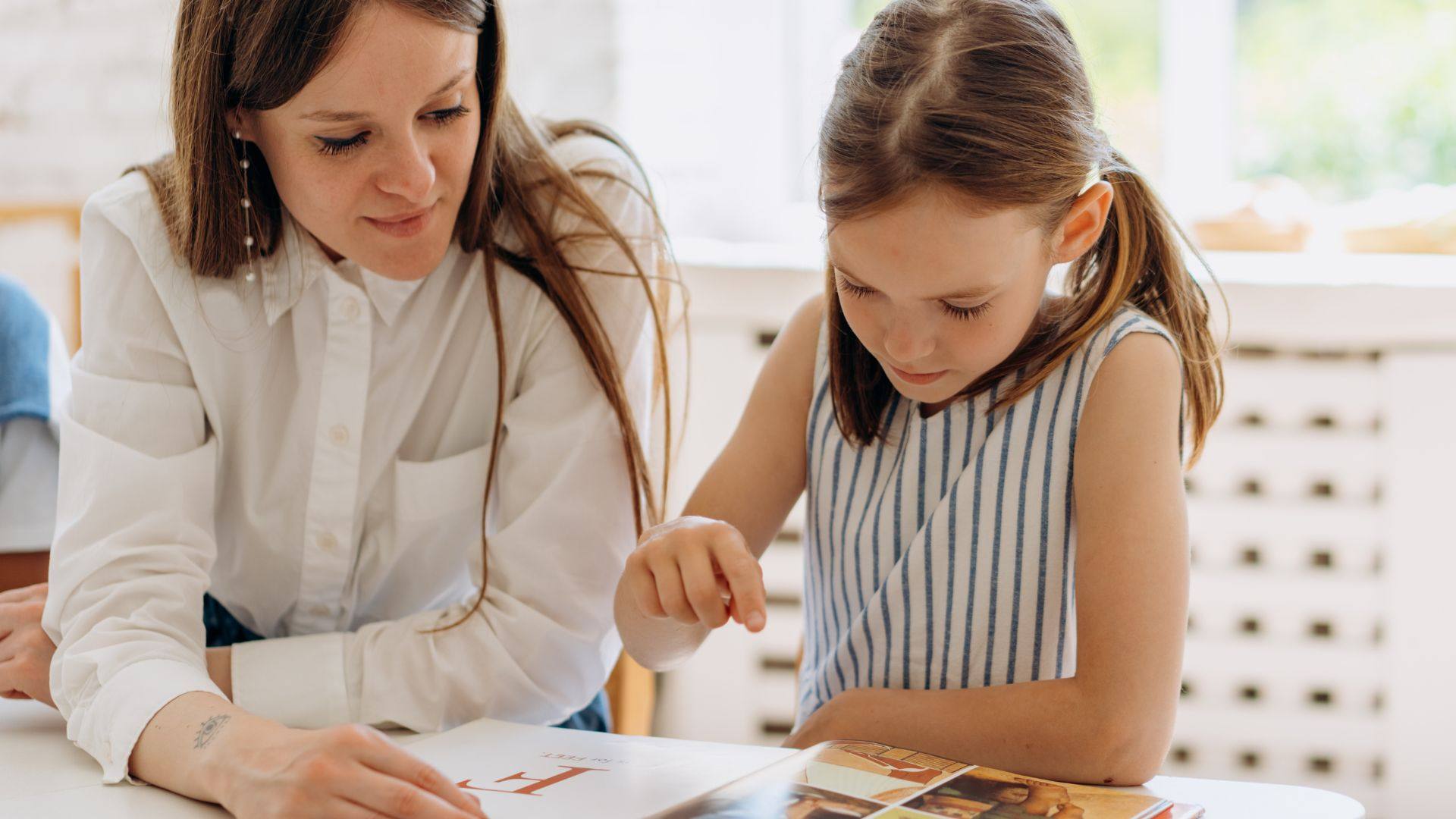
In today’s fast-paced society, children face a lot of pressure, from school projects to social expectations. It’s understandable that many children feel worried, and it’s natural for parents to want to help. But the activities we use to reduce stress can sometimes become a source of stress themselves. So how do you find stress-relieving activities that truly help your child without adding to their stress? Let’s look at some stress-relief activities for children that won’t add more stress.
1. Digital detox with a twist: Unplugged fun
It’s no secret that screens are an important part of children’s lives nowadays. Too much screen time can add to their stress, particularly with social media or computer-based homework. But a full digital detox can feel like a punishment rather than a comfort. Instead, why not schedule an “unplugged” hour in the day? During this time, encourage your child to enjoy screen-free activities such as colouring, sketching or craft. This allows them to enjoy their leisure time without feeling disconnected or missing out on anything essential.
Colouring, for example, is a simple yet effective technique to relax. It helps children concentrate on something creative, taking their minds off schoolwork. Another great choice is building with blocks or LEGO, which is similar to solving a fun puzzle but without the pressure of getting it “right.” These activities give your child a break from screens while keeping their brains active in a stress-free way.
2. Mindfulness and movement: Yoga and breathing exercises
Mindfulness has become a popular term, but it is more than just a trend - it is an effective stress management strategy. Yoga and easy breathing techniques can help your child relax both mentally and physically. And the greatest part? It does not need to be a formal or rigorous session. There are plenty of child-friendly yoga videos and apps that make it fun and easy for children to get started.
Begin with only a few minutes every day. Encourage your child to try a few simple poses, such as “tree” or “cat-cow”, which are fun and easy. Combine this with deep breathing, breathing in gently through the nose and out through the mouth. This mix of exercise and mindfulness helps to relieve stress and may be done in the comfort of your own living room.
If your child is hesitant, join in too! Doing yoga together might make it feel less like a duty and more like a bonding opportunity. The idea here is not to master any position, but to bring a sense of calm into your child’s day - a time when they can just rest and be present.
3. Creative outlets: Art, music, and writing
Sometimes children just need a way to express their thoughts. Art, music, and writing are excellent outlets for this. Whether your child loves sketching, playing an instrument, or writing stories, these hobbies can be therapeutic and help relieve school-related stress.
Encourage your child to keep a notebook where they can reflect on their day or express themselves through poems or short stories. If they’re more into music, they might like making a playlist of their favourite songs or learning to perform a new song on an instrument. Making up a song or rap can be a great way to relieve stress.
Art is another excellent way to unwind. You don’t have to be an artist to enjoy painting, sketching, or sculpting with clay. The process of producing something - anything - can be extremely rewarding and stress-reducing. Furthermore, it provides your child with a sense of accomplishment without the stress of grades or deadlines.
4. Nature breaks: Going outside
Fresh air and the outdoors have a wonderful ability to calm the mind. If your child is feeling overwhelmed by school, suggest a short walk outside or visiting a local park. Even simply spending time in the backyard can help. Nature’s sights, sounds, and fragrances give a respite from the typical routine, allowing your child to reset.
If you can, make this a regular part of your child’s routine. It doesn’t have to be a long bushwalk or an elaborate trip; simply spending a few minutes outside may make a huge difference. Consider gardening, bird watching, or simply resting on the grass and gazing up into the sky. Time in nature can help ground your child and reduce stress in a way that feels effortless.
Spending time with pets can be really relaxing for children who are animal lovers. Whether it’s playing with a puppy, snuggling a cat, or even watching fish move in a tank, these interactions may provide joy and relaxation, reducing the stress of school.
5. Interactive play: Board games and puzzles
Sometimes the best way to reduce stress is to engage in plain old-fashioned play. Board games and puzzles are great because they are fun, social and can involve the whole family. The idea is to select games that are enjoyable and lighthearted rather than highly competitive or sophisticated.
Games like Uno, Connect Four and simple jigsaw puzzles are excellent choices. They offer a pleasant challenge without high stakes, and playing together may result in great memories and laughs. The purpose here is to have fun while playing rather than to win. This helps your child associate relaxing with enjoyment rather than with something they have to work at.
Puzzles are especially useful for children who like a mental challenge but need a break from schoolwork. The process of putting pieces together may be quite rewarding and provide a sense of accomplishment without the burden of academics.
Keeping it simple
In today’s busy world, it’s important to find stress-relieving activities that truly help your child relax while not adding to their stress. Whether it’s through artistic outlets, outdoors, or interactive play, the idea is to keep things simple, enjoyable, and stress-free. By introducing these activities, you can help your child handle stress in a healthy way, giving them the tools they need to manage the pressures of school and life.
For more everyday wellbeing ideas, see simple and effective mental health activities for kids and how to handle school stress. Benefits of outdoor play for children explains why nature breaks work.
Common questions
What are good stress-relief activities for children?
Screen-free time with colouring, drawing or building blocks; a few minutes of simple yoga and deep breathing; art, music or writing; time outdoors or with pets; and relaxed board games and puzzles.
How do I stop a stress-relief activity becoming another chore?
Keep it short, simple and pressure-free. Choose gentle, non-competitive activities, focus on fun rather than getting it right, and join in yourself so it feels like time together rather than a task.
Can breathing exercises help a stressed child?
Yes. Slow, deep breathing - in gently through the nose and out through the mouth - can help a child calm down. Pairing it with a few easy yoga poses makes it more engaging.