
The hidden stress children carry when they fall behind

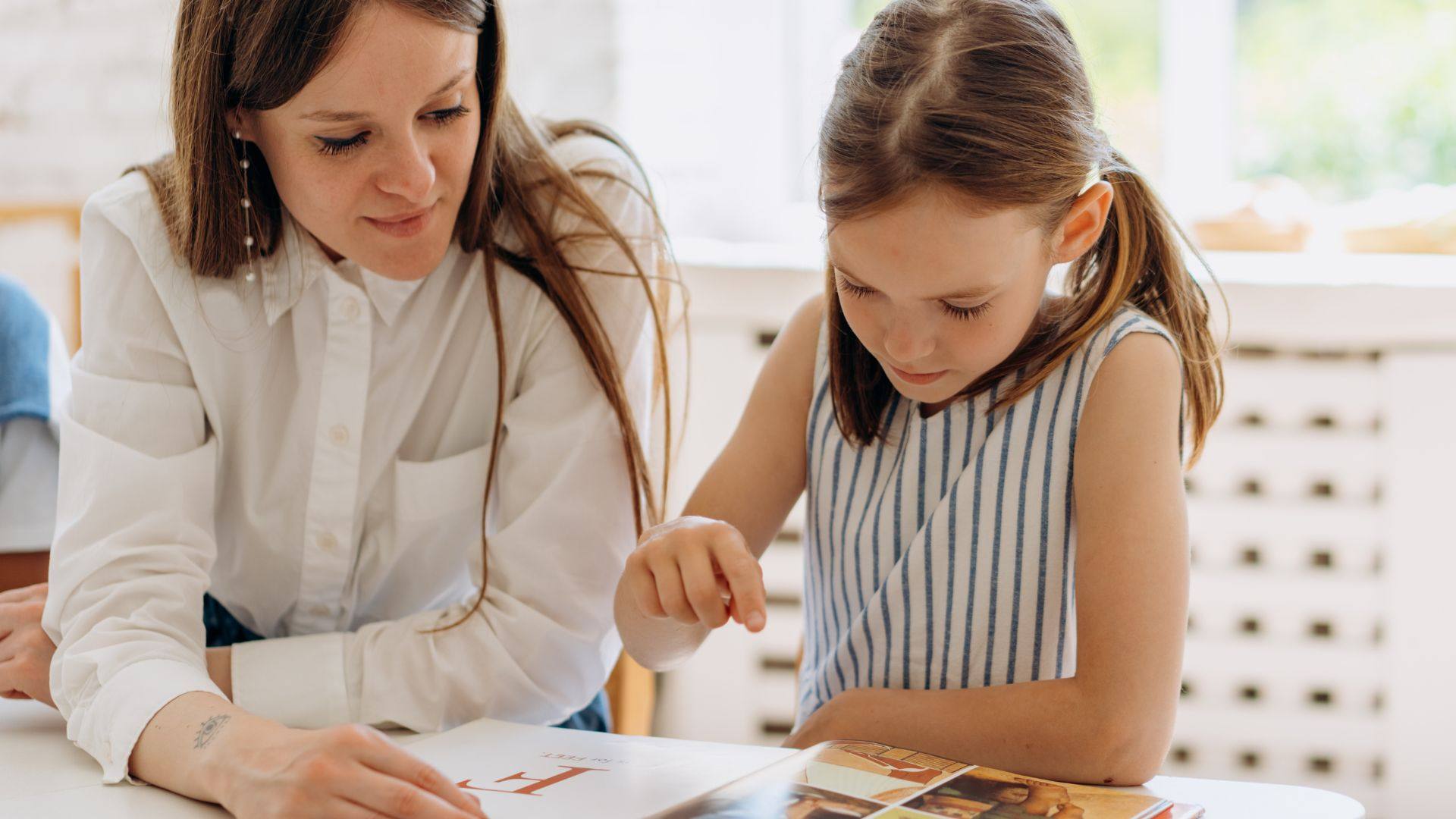
Falling behind at school doesn’t always show in obvious ways. A child may still smile, sit through class and finish their homework, yet inside they can feel a growing weight. The hidden stress children carry when they fall behind often goes unnoticed until it affects more than marks, seeping into their confidence, their friendships and even their willingness to try. Parents sometimes see only the surface - poor marks or reluctance to study - without realising what lies beneath.
1. The quiet loss of confidence
When a child struggles with schoolwork, they often compare themselves with their peers, and that comparison can quietly wear away their belief in their own ability. They may stop putting their hand up in class for fear of being wrong, or pull back from discussions where others answer quickly. Each small moment of hesitation reinforces the belief that they can’t keep up. Over time, this can become a cycle in which they avoid challenges altogether. The loss of confidence isn’t loud or dramatic. It’s slow, steady and easy to miss until it has taken root.
2. The strain on friendships
School isn’t only about learning; it’s also about belonging. When a child falls behind, the gap doesn’t stay in the classroom. They may feel embarrassed during group projects or left out when friends talk about lessons they understood. That sense of being different can create distance in friendships. A child may withdraw socially - not because they want to, but because it feels easier than showing they’re struggling. The pressure of keeping up socially adds another layer of stress to an already heavy load.
3. The physical signs of stress
Stress doesn’t only live in the mind. Children often show it in their bodies long before they can put it into words. Trouble sleeping, frequent headaches or stomach aches before school can all be signs that falling behind is taking its toll. Some children eat less, while others eat more for comfort. Parents might treat these as separate health concerns without linking them to school. It’s worth checking in with your GP to rule out other causes - and worth asking, gently, how school is going.
4. Quietly giving up
Perhaps the most damaging effect of falling behind is when a child starts to believe that learning is simply beyond them. They may say things like “I’m just not good at maths” or “I’ll never get it.” This isn’t laziness; it’s a form of self-protection. Believing they can’t succeed feels safer than trying and failing again. Once this mindset takes hold, it can shape how they approach not just schoolwork but challenges in life. It becomes more than an academic issue - it shapes how they see themselves.
They don’t have to carry it alone
Every parent wants their child to feel capable, confident and supported. The hidden stress of falling behind isn’t something they should face alone. With the right support - extra time at home, open conversations or one-on-one tutoring - children can rebuild both their skills and their confidence. At Alchemy Tuition, we help children across Australia move past that hidden stress and find joy in learning again.
To understand how gaps grow, see what happens when small gaps in learning grow bigger. Helping your child overcome school anxiety has practical strategies, and why getting a tutor early saves stress later explains the case for acting sooner.
Common questions
How can I tell if my child is stressed about falling behind?
It isn’t always obvious. Watch for a child who stops putting their hand up, withdraws from friends, avoids challenges, or says things like “I’m just not good at maths” - even if they still seem cheerful and finish their homework.
Can falling behind at school cause headaches or stomach aches?
It can. Trouble sleeping, headaches, stomach aches before school and changes in appetite can all be signs of stress. Check in with your GP to rule out other causes, and gently ask how school is going.
Why does my child say they’re “just not good” at a subject?
It is often self-protection rather than laziness - believing they can’t succeed feels safer than trying and failing again. Support, open conversations and targeted help can rebuild both skills and belief.