
Why you should know and consider gentle parenting

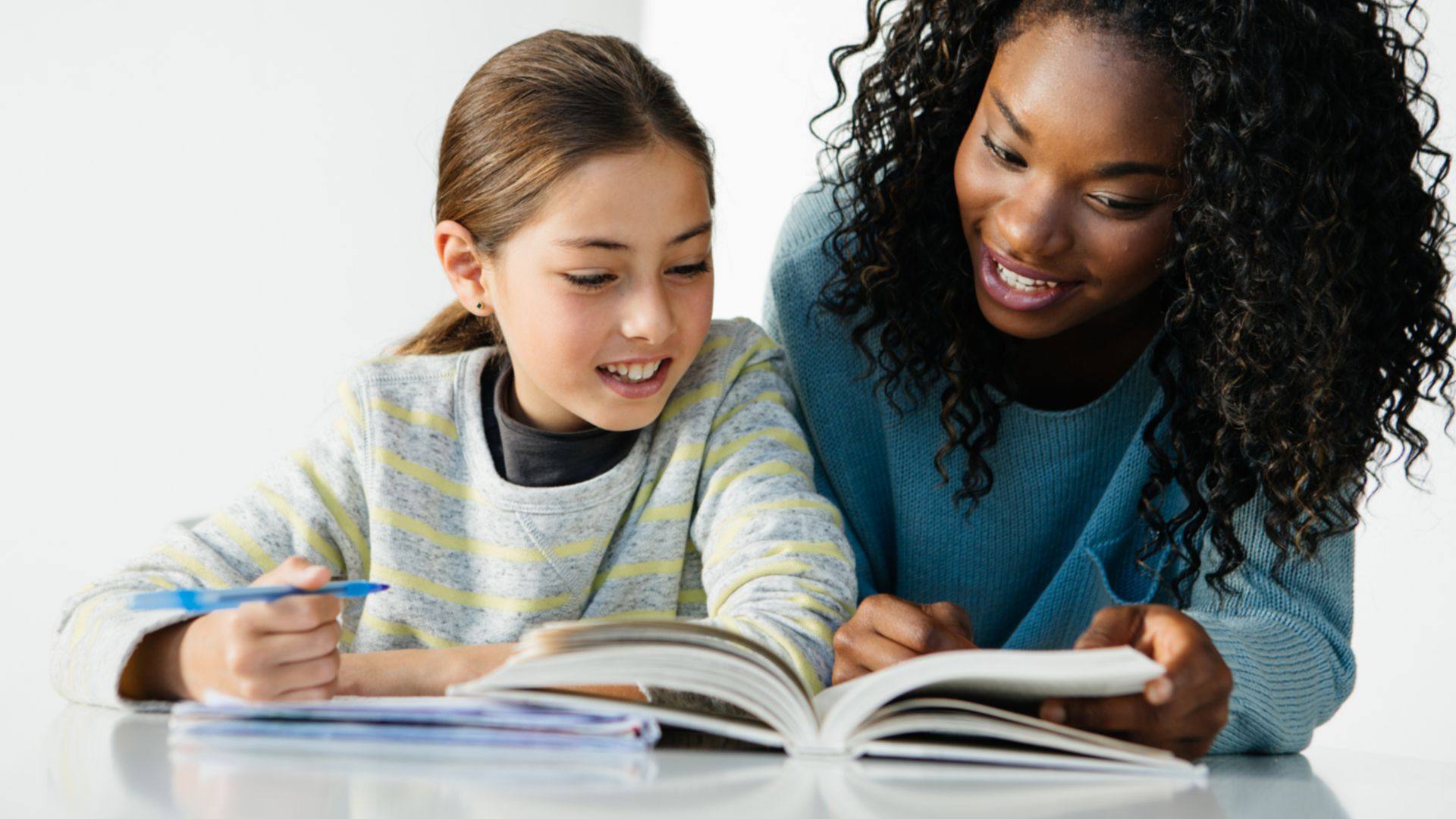
Parenting is one of the most rewarding and challenging jobs in the world. Every parent wants their child to be happy, confident and compassionate. But with so much information out there, working out what works best can feel overwhelming. One approach that’s gaining attention - and for good reason - is gentle parenting. Gentle parenting is all about treating children with respect, empathy and understanding. Think of it as guiding your child rather than controlling them. Instead of relying on punishments or rewards to manage behaviour, gentle parenting teaches children why certain actions are right or wrong. Here are the reasons why you should know and consider gentle parenting.
1. It builds stronger relationships
One of the biggest benefits of gentle parenting is the bond it builds between you and your child. When children feel heard and valued, they are more likely to trust you and come to you with their problems.
Think about your own relationships. Would you rather be around someone who shouts at you when you make a mistake, or someone who patiently helps you fix it? Children are no different. When you respond to their emotions with empathy, you show them that their feelings matter. This not only deepens your relationship but also boosts their self-esteem.
2. It teaches emotional intelligence
We all want our children to grow up understanding and managing their emotions in healthy ways, and gentle parenting can help. When you acknowledge your child’s feelings rather than dismissing them, you teach them that it’s okay to feel sad, disappointed or scared.
For example, if your child is upset because they can’t have a toy at the shops, a gentle response might be, “I understand how hard it is to want something and not be able to have it. Let’s talk about it.” This simple acknowledgement helps children feel understood and teaches them to handle their feelings rather than bottle them up.
Over time, children raised this way are more likely to handle disagreements calmly, talk openly about their emotions and empathise with others - skills that help them at school, in friendships and beyond.
3. It reduces power struggles
Let’s face it: parenting can feel like an endless battle of wills. Gentle parenting takes a different approach to discipline. Rather than focusing on “winning” arguments, it encourages cooperation and problem-solving.
For example, if your child refuses to do their homework, instead of saying, “Do it now, or you’ll be grounded,” you might say, “I notice you’re having trouble getting started on your schoolwork. What’s going on? How can I help?” This encourages communication and helps you find a solution together.
When children feel their ideas are valued, they are less likely to dig in their heels. As a bonus, they learn how to work through challenges, which will serve them well throughout their lives.
4. It prepares children for the real world
Life is full of ups and downs, and gentle parenting gives children the tools to navigate them. Focusing on teaching rather than punishing helps your child understand the “why” behind their actions.
For example, instead of just saying, “Don’t hit your sibling,” you can explain, “When you hit, it hurts them, and we want to be kind to each other.” This teaches empathy and helps children understand the consequences of their actions.
Over time, these lessons stick. Children raised with gentle parenting are more likely to grow into people who think critically, communicate well and respect others.
5. It makes parenting more enjoyable
Let’s be honest - parenting is hard enough without constant fighting and frustration. Gentle parenting won’t stop every challenge, but it creates a calmer, more positive home.
When you approach parenting with compassion and understanding, you are less likely to feel exhausted or guilty. Instead of seeing your child’s misbehaviour as a personal failure, see it as a chance to teach and connect.
And remember that children learn by watching us. When they see you handle difficult situations with patience, they are more likely to do the same.
Starting small
Gentle parenting doesn’t mean being perfect or never losing your cool - it means making an effort to approach parenting with compassion and understanding. It’s a mindset that helps you strengthen your relationship with your child, teach them important life skills and create a happier home for everyone.
If you’re curious about trying gentle parenting, start small. Practise pausing before you react, listening to your child’s feelings and looking for ways to guide rather than control. Every step towards kinder parenting builds your child’s confidence, empathy and resilience.
To compare it with other approaches, see parenting styles you should try and low demand parenting. Why developing your child’s emotional intelligence is a must goes deeper into one of its biggest benefits.
Common questions
What is gentle parenting?
Gentle parenting is an approach built on respect, empathy and understanding. Rather than relying on punishments or rewards, the parent guides the child and explains why certain actions are right or wrong.
Does gentle parenting mean no boundaries?
No. Children still have limits; the difference is how they are held. A gentle parent stays calm, acknowledges the child’s feelings and explains the reason for the boundary, instead of simply punishing.
What does gentle parenting look like when a child refuses homework?
Instead of a threat like “Do it now or you’re grounded”, try “I notice you’re having trouble getting started. What’s going on? How can I help?” It opens a conversation and lets you solve the problem together.